Understanding DMT and Its Effects
What is DMT?
DMT, or N,N-Dimethyltryptamine, is a powerful psychedelic compound that occurs naturally in various plants and animals. It belongs to a class of substances known as tryptamines, which share a structural similarity to the neurotransmitter serotonin. DMT is commonly known for inducing intense visual and auditory hallucinations, alongside profound experiences that users describe as life-altering. Notably, DMT is often referenced in spiritual and therapeutic contexts, sparking interest in its potential benefits for self-discovery and mental health.
How DMT Works on the Brain
The effects of DMT are primarily due to its interaction with serotonin receptors in the brain, specifically the 5-HT2A receptor. When DMT is ingested, it alters the perception of reality, time, and self. This can result in profound alterations in mood and consciousness. The unique experience of a DMT trip is marked by vivid imagery and deep introspection, often leading users to insights about their lives or the universe. Research indicates that DMT may also promote neurogenesis and neuroplasticity, contributing to potential therapeutic applications.
Short-term Psychological Effects
Users typically report a range of psychological effects during a DMT experience, often characterized by intense emotions, deep introspection, and vivid hallucinations. The experience can feel blissful, cosmic, or even terrifying, depending on the individual’s mindset and environment. Short-term effects might include altered sensory perception, distortion of time, and a sense of connectivity with an expanded consciousness. Users may also experience temporary anxiety or fear, particularly if unprepared for the intensity of the experience.
Where to Buy DMT Safely
Online vs. Local Dispensaries
When considering where to buy dmt, it is crucial to evaluate both online platforms and local dispensaries. Online purchases may offer convenience and discretion, with a broader range of products available. However, purchasing locally could provide transparency regarding product quality and sourcing, as well as the ability to ask questions directly from knowledgeable staff. Weighing these options is crucial in ensuring a safe and informed purchase.
Checking for Quality and Purity
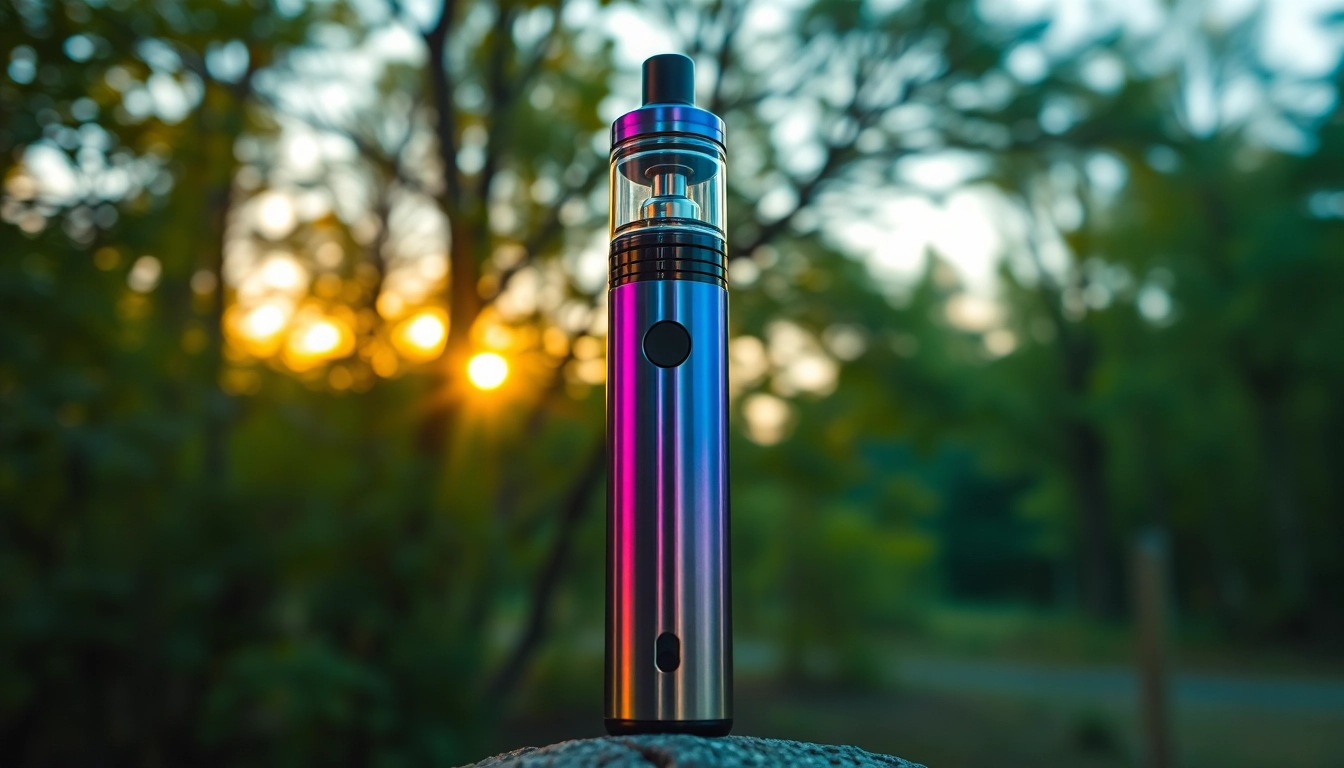
Quality and purity are paramount when it comes to purchasing DMT. It is advisable to choose sources that provide certificates of analysis or third-party lab testing results to confirm the substance’s purity and potency. Pure DMT typically appears as a white crystalline powder or can be found in vape pens that offer a controlled dosage. Avoid vendors that cannot provide evidence of quality assurance, as adulterants can lead to harmful side effects or unpredictable experiences.
Understanding Legal Considerations
The legal status of DMT varies significantly across different regions. In many countries, DMT is classified as a controlled substance, making possession and sale illegal. Understanding local laws is essential before attempting to buy DMT. Some countries have decriminalized or legalized certain forms of psychedelic substances for therapeutic use, highlighting the ongoing evolution of public perception and regulations surrounding psychedelic therapies.
Proper Usage Guidelines for DMT
Dosage Recommendations
Dosage can significantly impact the DMT experience, with recommendations varying based on the method of consumption. For vaporized DMT, a common starting dose ranges from 20 mg to 40 mg, while those consuming DMT-infused products like brews may take higher amounts. Beginners are encouraged to start with lower doses to gauge their sensitivity and response to the compound. Always have a plan in place to ensure safety and comfort during the experience.
Methods of Consumption
DMT can be consumed through various methods, each presenting unique benefits and drawbacks. The most common methods include vaporization, where users inhale concentrated DMT vapors, providing rapid onset of effects. Oral consumption via ayahuasca tea is another traditional method, often used in ceremonial settings that combines DMT with an MAOI to prolong its effects. Regardless of the method selected, understanding the intricacies of each is essential for a fulfilling experience.
Setting the Right Environment
Creating a supportive environment is crucial for a positive DMT experience. This includes selecting a comfortable, safe space, ideally free from distractions. Many users find that dim lighting, calming music, or comforting decor enhances their experience. It is also helpful to have a trusted friend present, particularly for beginners, as their familiarity can support emotional stability during intense moments.
Potential Risks and Side Effects of DMT
Physical Risks Involved
While DMT is not considered physically addictive, there are potential physical risks associated with its use. These may include elevated heart rate and blood pressure during the peak of an experience. Individuals with pre-existing health conditions should consult with a healthcare professional prior to using DMT to assess any potential risks. Additionally, care should be taken to ensure a safe environment, as coordination and perception can be impaired during a trip.
Psychological Impact of DMT
The psychological effects of DMT can be profound, often leading to existential insights and reflections on life’s meaning. However, users can experience overwhelming emotions or challenging psychological states, particularly if they face repressed trauma or unaddressed fears. Preparatory work, such as journaling or meditative practices, may provide individuals with the tools to navigate complex feelings that may arise during their experience.
How to Prepare for a DMT Experience
Preparation is key to a successful DMT experience. This involves both physical and mental preparation. Users should take time to educate themselves on the substance, its effects, and possible experiences. Additionally, surrounding oneself with empathetic and supportive individuals can enhance the safety and comfort of the setting. Some may choose to engage in mindfulness or breathwork practices beforehand to cultivate a readiness for the experience.
Frequently Asked Questions about DMT
What are the common misconceptions about DMT?
Common misconceptions include beliefs that DMT is solely a recreational drug or that it leads to long-term addiction. In reality, many use DMT for spiritual exploration and therapeutic benefits.
Can DMT be harmful to my health?
While DMT is not physically addictive, it can pose psychological risks, especially for those with underlying mental health issues. Ensuring a supportive environment is crucial to mitigate these risks.
Is DMT addictive?
DMT is not considered addictive. Users do not typically develop a compulsive need to seek out DMT, unlike more traditional addictive substances.
How long do the effects of DMT last?
The effects of DMT can vary but generally last 15 to 60 minutes when vaporized, while oral consumption with an MAOI can extend effects to several hours.
What should I do if I feel overwhelmed during a DMT trip?
If feelings of overwhelm arise during a DMT experience, grounding techniques like deep breathing, focusing on physical sensations, or reminding oneself that the experience is temporary may help restore calm.