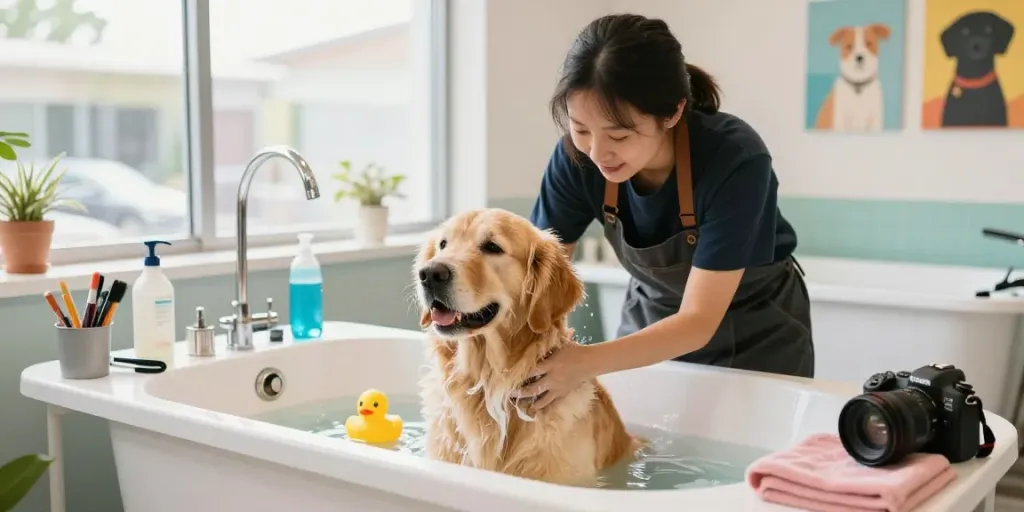
Understanding Bijou's Law and Its Importance
As discussions around pet safety and professional grooming practices intensify, the introduction of legislation like Bijou's Law aims to address critical issues within the pet grooming industry. This law seeks to establish necessary licensing requirements for dog groomers, thereby enhancing the overall safety and welfare of our pets during grooming sessions. With alarming cases of injuries and even fatalities attributed to unregulated grooming practices, the impetus for such legislation has never been more urgent. For more details on ongoing efforts to support this critical movement, you can visit https://www.bijousbill.com.
What is Bijou's Law?
Bijou's Law represents a significant step towards ensuring that all dog groomers are required to obtain a state license, thereby standardizing grooming practices across various regions. In states like New Jersey, where the law is being prioritized, this legislation aims to reduce the risks associated with dog grooming, ensuring that only qualified individuals can perform these services. Under Bijou's Law, groomers would need to complete specific training and adhere to safety protocols, which are currently lacking in many states.
Historical Context: Why Legislation Matters
The need for grooming legislation stems from a troubling history of incidents within the industry. Many pet owners have reported cases of severe injuries to their dogs during grooming, often caused by untrained individuals lacking the necessary skills and knowledge. For example, in the recent years leading up to 2026, there have been numerous instances where pets were harmed or even died due to negligence at unregulated grooming facilities. This has sparked outrage among pet owners and advocates alike, leading to the push for comprehensive laws like Bijou's Law that would protect furry family members.
The Impact on Pet Safety and Grooming Standards
Establishing legal requirements for grooming professionals is essential for enhancing pet safety. With regulations in place, we can ensure that groomers possess the necessary training in handling animals, using tools properly, and recognizing health issues that could be exacerbated during grooming. Furthermore, consistently enforced standards will help to build trust between pet owners and groomers, as owners can rest easy knowing that their pets are in skilled hands.
Current State of Pet Grooming Regulations
Existing Standards Across the U.S. and Beyond
Currently, the landscape of pet grooming regulations in the United States is fragmented, with only a handful of states requiring licensure for groomers. This lack of uniformity means that many groomers operate without oversight, leading to unsafe practices that can endanger pets. Some states have instituted basic requirements, while others have yet to implement any form of regulation.
Case Studies: Success and Struggles of Legislation
Examining states that have successfully passed grooming regulations can offer insights and hope for advocates in unregulated areas. For instance, California has introduced guidelines for grooming, which have resulted in fewer reported incidents of injury. However, states such as South Carolina are still grappling with pushback from grooming industry advocates who argue that licensing could impose an unfair burden on small businesses.
What Pet Owners Need to Know
Pet owners should be aware of their rights and the legal landscape surrounding pet grooming in their states. Understanding whether groomers are licensed can play a crucial role in ensuring pet safety. Additionally, owners should advocate for more stringent regulations if they reside in states where such laws do not exist, as community pressure often drives legislative change.
Challenges Facing the Pet Grooming Industry Today
Common Misconceptions About Grooming Regulations
One widespread misconception is the belief that all groomers are required to receive formal training or certification. Many pet owners assume that with increased public awareness, all groomers must comply with specific standards. Unfortunately, this is not the case in many jurisdictions, leading to significant gaps in safety and training.
Obstacles to Implementing Bijou's Law
Among the challenges to passing Bijou's Law are the various interests of stakeholders within the grooming industry, including large grooming chains and independent operators. Some stakeholders fear that increased regulations may lead to decreased flexibility in operational practices, potentially affecting their businesses. As a result, advocacy groups must work tirelessly to articulate the benefits of such regulations for both pets and owners.
Finding Support from Pet Advocacy Groups
Support from established pet advocacy organizations can be a gamechanger in the fight for stronger grooming regulations. Groups like the American Kennel Club (AKC) and local animal welfare organizations can mobilize communities to rally around initiatives like Bijou's Law, fostering greater public awareness and participation in the legislative process.
Future Trends in Pet Grooming Legislation
What to Expect in 2026 and Beyond
As we look to the future, we may see a rise in regional legislation aimed at standardizing pet grooming practices nationwide. With increased public awareness about the importance of proper grooming, coupled with tragic stories of pet fatalities, legislators may feel pressured to act. By 2026, we could witness broader acceptance and implementation of grooming regulations in multiple states.
Advancements in Grooming Practices and Standards
Innovations in grooming practices have the potential to further enhance safety and care protocols. Technologies such as mobile apps for scheduling groomings, monitoring pet safety, and providing real-time feedback can empower pet owners with more information about their pet's grooming experiences. Furthermore, continuous education for groomers will likely become more prevalent, focusing on the latest in safety standards and animal welfare.
How Pet Owners Can Get Involved
Pet owners can play a pivotal role by becoming informed about grooming standards and advocating for positive changes in their communities. Supporting legislation like Bijou's Law through petitions, attending local meetings, and fostering discussions about grooming practices can create pressure on lawmakers to prioritize pet safety.
Conclusion: The Ongoing Fight for Safer Grooming
Summary of Key Points
To summarize, the establishment of Bijou's Law represents a critical movement toward ensuring the safety of pets during grooming sessions. With a current lack of regulation, many pets face unnecessary risks, underscoring the urgent need for legislative action. Establishing a unified standard for grooming practices aligns with the broader goal of promoting animal welfare.
Final Thoughts on Supporting Bijou's Law
In conclusion, supporting initiatives like Bijou's Law is vital for advancing safety standards in the pet grooming industry. Pet owners, groomers, and advocates all have a role to play in fostering an environment that prioritizes the health and safety of our beloved animals.
Encouraging Community Engagement and Advocacy
As we move forward, community engagement and advocacy will be essential to the success of grooming regulations. By collaborating with local organizations and speaking out about the need for change, we can collectively effectuate the necessary laws to ensure safer grooming practices for all pets.