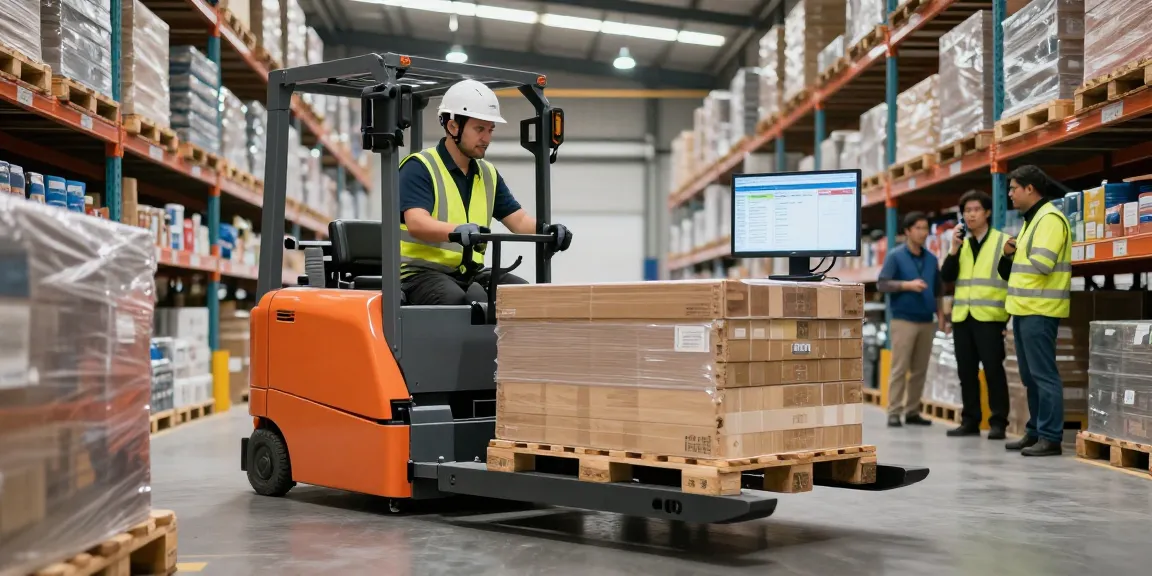
Understanding the Pallet Lift: A Comprehensive Overview
In the ever-evolving landscape of material handling, the pallet lift emerges as a critical tool in warehouses and industrial settings. Designed to streamline operations, these machines enhance efficiency and productivity, making them indispensable in modern facilities. When exploring options, pallet lift offers comprehensive insights into the latest advancements and capabilities.
What is a Pallet Lift?
A pallet lift, often referred to as a pallet jack or pallet stacker, is a type of material handling equipment specifically designed to lift and move palletized loads. Unlike traditional forklifts, pallet lifts are generally smaller, more maneuverable, and ideal for tight spaces within warehouses or retail environments. These devices can be either manual or electric, with electric models providing enhanced lifting capabilities and ease of operation.
Key Features of Modern Electric Pallet Lifts
- Electric Drive System: Modern electric pallet lifts come equipped with powerful electric motors, enabling easy maneuverability even with heavy loads.
- Compact Size: Many models are designed to fit within narrow aisles, allowing for efficient navigation in crowded environments.
- Advanced Safety Features: Features such as automatic braking systems and emergency stop buttons enhance operator safety.
- Intuitive Controls: User-friendly interfaces with ergonomic handles make operation simpler, reducing fatigue during prolonged use.
- Variable Lift Heights: Adjustable lift heights accommodate different pallet configurations and storage needs.
Benefits of Using Pallet Lifts in Warehousing
Utilizing pallet lifts provides numerous advantages in warehouse operations:
- Improved Efficiency: These devices significantly reduce manual labor, allowing workers to move more goods in less time.
- Enhanced Safety: By minimizing manual handling of heavy loads, the risk of injuries decreases, creating a safer work environment.
- Cost-Effective: Electric pallet lifts can reduce operating costs over time through improved energy efficiency and reduced need for human resources.
- Versatility: Suitable for a variety of tasks, including loading and unloading trucks, transporting goods, and organizing inventory.
Choosing the Right Pallet Lift for Your Needs
Selecting the appropriate pallet lift requires a careful evaluation of your specific operational requirements. Consider the following factors:
Factors to Consider When Selecting a Pallet Lift
- Load Capacity: Assess the maximum weight you’ll regularly handle to ensure the lift can accommodate your needs.
- Lift Height: Depending on your storage systems, ensure that the pallet lift can reach necessary heights.
- Working Environment: Consider whether the lift will be used indoors or outdoors, as this may affect your choice of model.
- Battery Life: For electric models, select a lift with battery specifications that align with your operational hours.
- Ergonomics: Select a model that enhances operator comfort and minimizes physical strain.
Comparing Electric vs. Manual Pallet Lifts
While manual pallet lifts are cost-effective and straightforward in design, electric models offer several benefits that may justify their higher price point:
- Ease of Use: Electric pallet lifts require less physical effort to operate, making them preferable for heavy lifting.
- Speed: They generally operate faster than manual lifts, increasing productivity in high-demand environments.
- Reduced Operator Fatigue: Electric lifts diminish the physical strain placed on workers, thereby enhancing job satisfaction and safety.
Understanding Weight Capacities and Dimensions
Identifying the right weight capacity and dimensions for your pallet lifts is crucial to ensuring optimal performance:
- Standard Capacities: Common weight capacities range from 2,200 lbs to 5,500 lbs, with specific models available for specialized tasks.
- Dimensions: Ensure the pallet lift’s dimensions align with your pallets and available space to facilitate seamless operations.
Best Practices for Operating a Pallet Lift Safely
Adhering to safety protocols when using pallet lifts can prevent accidents and extend the lifespan of the equipment:
Essential Safety Protocols to Follow
- Training: Provide thorough training for all operators to ensure they understand the equipment’s functions and limits.
- Pre-Operation Checks: Inspect the pallet lift before use, checking for any signs of damage or malfunction.
- Load Distribution: Ensure loads are evenly distributed and securely placed to prevent tipping or falling.
- Clear Pathways: Maintain clear aisles and pathways to avoid collisions during operation.
Common Mistakes to Avoid When Using Pallet Lifts
- Overloading: Exceeding the weight capacity can lead to equipment failure and accidents.
- Poor Visibility: Ensure operators have a clear line of sight when maneuvering loads to avoid collisions.
- Neglecting Maintenance: Regularly scheduled maintenance is essential to keep equipment running smoothly and safely.
Regular Maintenance Tips for Longevity
To prolong the lifespan of your pallet lift, incorporate these maintenance practices:
- Battery Care: Regularly check and maintain the battery to ensure optimal performance in electric models.
- Routine Inspections: Schedule regular professional inspections to catch potential issues early.
- Lubrication: Keep moving parts well-lubricated to prevent wear and tear.
Future Trends in Pallet Lifts and Material Handling
The material handling industry is rapidly evolving, with several trends shaping the future of pallet lifts:
Technological Innovations Transforming the Industry
Emerging technologies are enhancing pallet lift functionality, including:
- Smart Technology: Integration of IoT devices allows for real-time monitoring and data analysis, optimizing operations.
- Automation: Autonomous pallet lifts can navigate complex warehouse layouts, reducing reliance on human operators.
- Advanced Battery Technologies: Innovations in battery technology are leading to longer-lasting, faster-charging options.
Impact of Automation on Pallet Lift Operations
As automation becomes more prevalent, businesses can expect:
- Increased Efficiency: Automated systems can operate continuously, minimizing downtime and maximizing throughput.
- Cost Reductions: Lower reliance on manual labor can reduce operational costs over time.
- Enhanced Safety: Reduced human involvement can lead to fewer workplace accidents.
Predictions for Pallet Lifts in 2026 and Beyond
Looking ahead, the pallet lift market is set to see significant advancements:
- Greater Customization: Manufacturers may offer more tailored solutions to meet specific industry needs and challenges.
- Increased Focus on Sustainability: Eco-friendly materials and designs will likely become more prevalent as businesses seek to reduce their carbon footprint.
- Integration with AI: Artificial intelligence could enable advanced decision-making in warehouse operations, further streamlining processes.
Frequently Asked Questions About Pallet Lifts
What types of pallet lifts are available?
Pallet lifts come in various types, including manual pallet jacks, electric pallet jacks, and fully automated pallet lifts. Each type offers unique features suited to different operational needs.
How do I maintain my electric pallet lift?
Regular maintenance includes battery checks, inspections of moving parts, and cleanliness to prevent debris from affecting functionality.
What are the benefits of electric pallet lifts over manual ones?
Electric pallet lifts offer advantages such as higher lifting capacity, ease of use, and reduced physical strain for operators, leading to improved workplace efficiency.
How do I choose the right pallet lift for my business?
Consider factors like load capacity, lift height, and operational environment when selecting a pallet lift to ensure it meets your specific requirements.
Are there specific training requirements for operating a pallet lift?
Yes, operators should undergo training that covers equipment functionality, safety protocols, and maintenance practices to ensure safe and efficient operation.